

In the realm of outdoor furniture, wood picnic tables stand out as timeless centerpieces that bring warmth and functionality to any outdoor setting. From rustic family backyards to elegant garden parties, wood picnic tables offer a blend of classic aesthetics and practicality. This article delves into the enduring appeal of wood picnic tables, exploring their benefits, types of wood used, maintenance tips, and creative uses in various outdoor spaces.
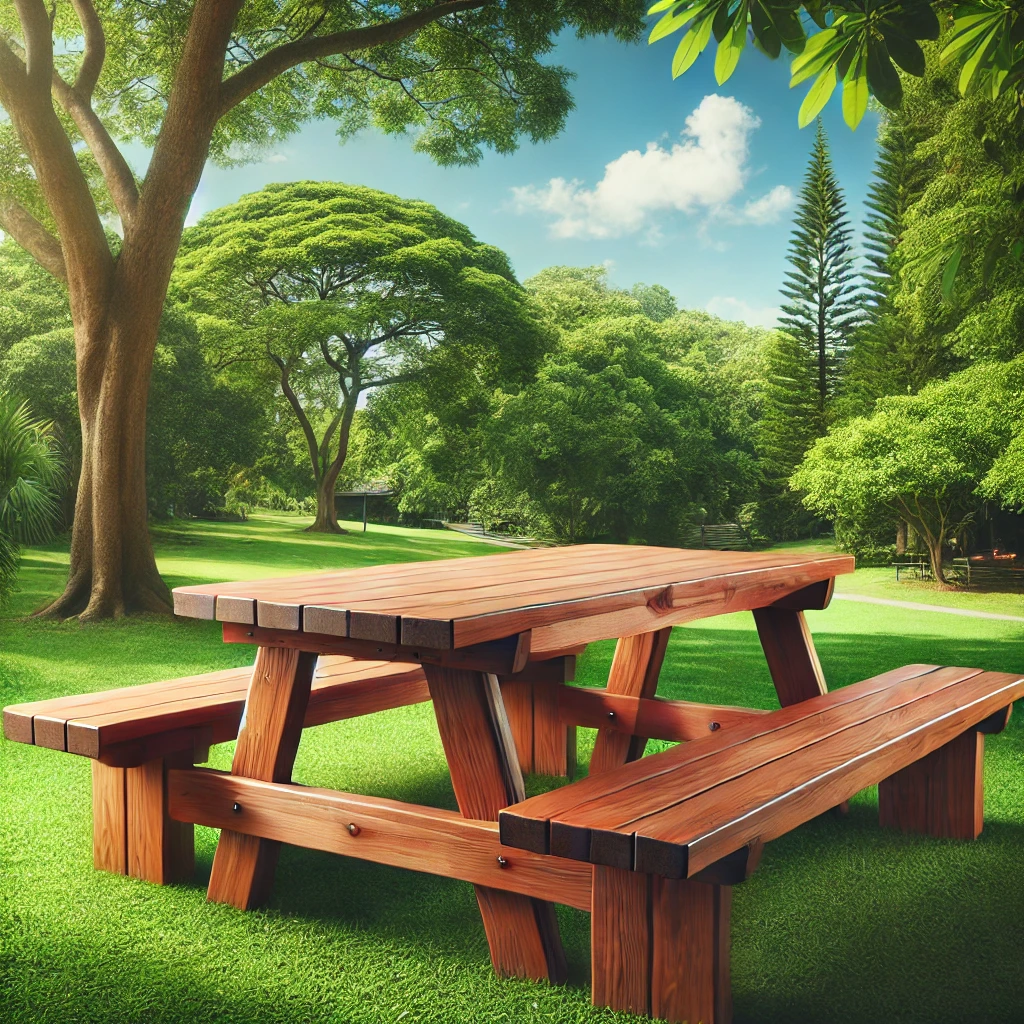
Wood picnic tables have been cherished for generations, offering not just a place for meals but a gathering spot for friends and family. The natural look of wood furniture can complement any outdoor landscape, from lush gardens to rugged patios, making it a versatile choice for any home.
Selecting the right type of wood is crucial for ensuring that your picnic table lasts through the seasons while maintaining its beauty and structural integrity.
1. Cedar
Pros: Naturally resistant to rot and insects, cedar is a lightweight and aromatic wood. It weathers to a silver-gray finish if left untreated, adding a rustic charm to outdoor spaces.
Cons: Softer than other woods, cedar can be prone to scratches and dents.
2. Teak
Pros: Highly durable and resistant to weathering, teak contains oils that protect it from pest attacks and decay. It develops a beautiful patina over time that many find appealing.
Cons: Teak is one of the more expensive woods, which can be a consideration for budget-conscious buyers.
3. Redwood
Pros: Known for its rich color and resistance to shrinking, warping, and rotting, redwood is ideal for outdoor use in all climates.
Cons: Similar to teak, redwood can be expensive and requires regular maintenance to maintain its color.
4. Pine
Pros: Pine is cost-effective and can be easily painted or stained to match any decor. It’s also relatively soft, making it easy to work with.
Cons: Pine needs to be treated with a preservative to withstand outdoor elements and prevent decay.
Benefits of Choosing Wood
Aesthetic Versatility: Wood has a natural beauty that ages gracefully and can be adapted to different styles through stains and finishes.
Durability and Strength: High-quality woods like cedar, teak, and redwood are known for their longevity and resistance to weather, pests, and rot.
Environmental Impact: Wood is a renewable resource, and when sourced sustainably, it’s an eco-friendly choice compared to plastic or metal alternatives.
Design Styles and Customization
Wood picnic tables range from traditional designs with attached benches to more contemporary styles featuring separate seating or intricate patterns. The ability to customize wood tables is a significant advantage, allowing homeowners to tailor their outdoor furniture to their specific needs and tastes.
Customization Options
Size and Shape: Wood picnic tables can be built in various sizes and shapes, accommodating anything from a small family of four to a large gathering.
Finish and Color: Depending on the type of wood, picnic tables can be treated with different stains and paints to match the outdoor decor.
Additional Features: Custom options like umbrella holes, bench backs, or even storage compartments can be integrated to enhance functionality and comfort.
Maintenance Tips for Wood Picnic Tables
To ensure the longevity of your wood picnic table, regular maintenance is essential. Here are some key tips to keep your wood furniture in top condition:
Cleaning: Regularly clean your table with a mild soap and water solution to remove dirt and grime.
Sealing: Apply a water-repellent sealant once a year to protect the wood from moisture and UV damage.
Covering: During off-season months, cover your wood table or store it in a shed to protect it from severe weather conditions.
Immediate Repairs: Address any chips or damages quickly to prevent further deterioration.
Creative Uses and Placement Ideas
Wood picnic tables are not just for dining; they can serve multiple purposes in your outdoor space:
Outdoor Office: Set up your picnic table as a serene outdoor workspace during pleasant weather.
Crafting and Gardening Station: Use the table for potting plants or as a stable surface for arts and crafts with the kids.
Entertainment Hub: Organize games, serve refreshments, or use it as a buffet table during outdoor parties.
Placement Tips
Visual Balance: Place your picnic table under a tree for natural shade or by a garden for a scenic view.
Accessibility: Ensure the table is easily accessible from the house, especially if it will be used frequently for meals.
Protection: Consider proximity to overhanging branches or rooftops to protect the table from bird droppings and falling debris.
Conclusion
Wood picnic tables are more than just practical dining surfaces; they are investments in your home’s outdoor enjoyment. With their robust functionality, aesthetic flexibility, and the warmth they bring to gatherings, wood picnic tables continue to be a favored choice for those looking to enhance their outdoor living spaces. By selecting the right type of wood, performing regular maintenance, and utilizing the table creatively, you can enjoy this timeless piece of outdoor furniture for many years to